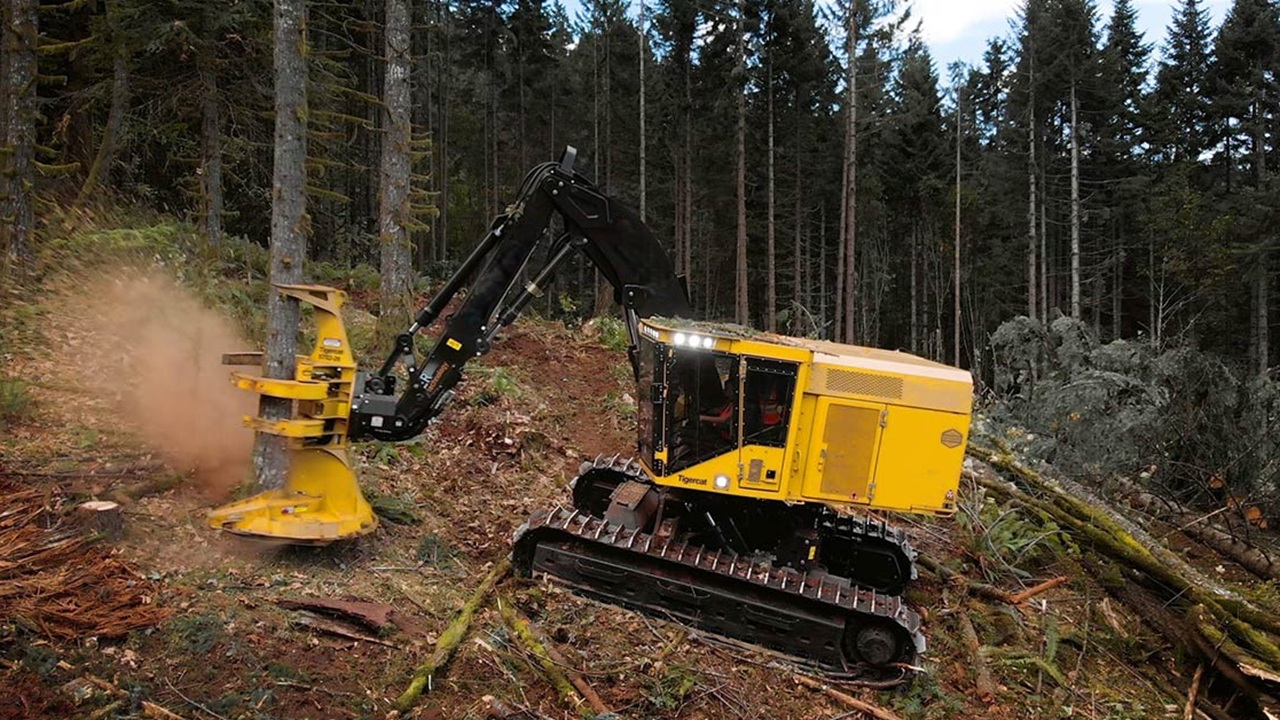
Wood is one of the materials that individuals use in their activities. Deforestation is a process that requires heavy machinery, including logging machines that cut trees. This machine removes the trees and puts them in pleasant heaps. Small parts called feller buncher cutting teeth help the machine cut through trunks. These teeth play a big role in speed and cut quality.
What a Feller Buncher does
A feller-buncher is a cutting machine that is used in the forest industries to cut trees. It is driven on tracks or wheels on uneven forest terrain. A cutting head is located at the front of a long hydraulic arm. The saw blade or intense shearing system is fastened to the cutting head. The machine picks a tree, cuts it and holds on to it. Then it places several cut trees together in one area.
Where Cutting Teeth Fit on the Machine
Cutting teeth are located on the cutting head of the machine. They are among the first parts to touch the tree trunk. These teeth guide how the head moves into the wood. They face strong pressure, impact, and constant rubbing during cutting. Because of this, they are considered wear parts of the machine. Their condition directly affects how well the machine performs.
Importance of Fast Tree Cutting
Fast cutting allows forestry work to move forward more smoothly. When cutting is slow, machines spend more time on each tree. This can lower the number of trees processed in a day. Sharp and strong teeth help the cutting head move through wood quickly. Smooth cutting reduces extra strain on other machine parts. Speed and control together help maintain a steady workflow.
Why Clean Cuts Matter
When clean cuts are made, the trunks of the trees left have a smooth surface. Rough cuts can either be fiber splitting or degrade the structure of the wood. Damaged wood can create problems during later processing steps. Sawmills and other machines work better with evenly cut logs. Clean cutting also helps trees fall in planned directions. Controlled falling improves safety during active logging operations.
Working in Tough Forest Conditions
Forestry machines work on rocky land and have the capability of working slopes up to 45 degrees. Dust, dirt, and rock are normal in such a location. Cutting teeth must resist wear from these harsh materials. Strong materials help teeth stay useful under heavy daily use. Reliable teeth support stable cutting even in difficult settings.
Handling Different Tree Types
Forests contain trees of different sizes and wood hardness levels. Some trees have thick trunks that resist cutting pressure strongly. Others have softer wood that still requires a clean cutting action. Cutting teeth must handle this wide range of wood types. Good wear resistance helps them stay sharp across many tree conditions. This supports consistent cutting results in mixed forest areas.
Reducing Wear and Frequent Replacements
Because teeth come into contact with wood and dirt, they wear over time. Worn teeth may cut less effectively and slow machine performance. Frequent replacement can lead to machine downtime during busy periods. Durable teeth last longer before needing to be changed. Longer use supports fewer stops and steadier forestry schedules. This helps teams keep work moving during active seasons.
Supporting the Bunching Process
After cutting, the machine gathers trees into organized groups. This is called the bunching function in forestry work. Stable teeth help the cutting head hold and control trees safely. Slipping parts can cause logs to shift in unsafe ways. Secure grip supports neat piles that are easier to transport later. Organized bunches improve flow in the whole logging process.
Effect on Machine Stability
Balanced cutting action helps keep the machine steady during operation. Uneven cutting can create sudden movement or vibration. Stable teeth guide the cutting head into wood smoothly. This supports better control by the machine operator. Controlled motion reduces stress on the hydraulic arm and other parts. A good balance helps extend the working life of the machine.
Safety During Tree Cutting
Forestry work includes many risks due to heavy machines and falling trees. Predictable cutting behavior supports safer working conditions in the forest. Strong teeth that stay in place help maintain a steady cutting force. Unexpected part failure can create sudden and dangerous movement. Reliable teeth reduce the chance of sudden cutting problems. Stable performance supports safer forestry operations overall.
Long Service Life in Daily Work
Forestry operations often run for long hours in demanding environments. Teeth must stay strong through repeated cutting cycles each day. Good materials help them resist cracking under impact. Wear resistance keeps the cutting edges effective for longer periods. Longer service life means fewer changes and more consistent performance. Durable parts help maintain steady cutting across many work days.
Conclusion
Cutting teeth plays an important role in feller-buncher performance. They guide the cutting head and face constant pressure and wear. Strong teeth help achieve fast and clean tree cutting in forests. Clean cuts support better wood quality and safer tree falling. Durable teeth reduce downtime and help machines run more smoothly. Reliable cutting parts make heavy forestry work more efficient overall.